
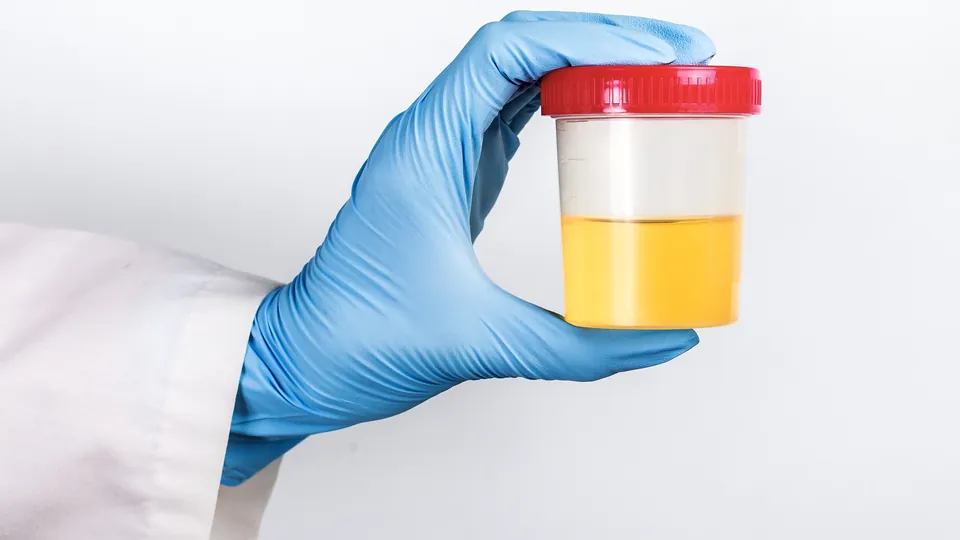
What happens immediately after a verified positive result
Once a DOT drug test has been verified as positive, you cannot continue performing DOT safety-sensitive duties. The restriction applies to safety-sensitive work, not simply to the job or employer where the test occurred.
The Department of Transportation explains that a person who tests positive or refuses a required DOT test must successfully complete the SAP and return-to-duty requirements before performing safety-sensitive duties again. The DOT's current employee guidance is available in its drug and alcohol testing FAQs.
Your next regulatory step is a DOT-qualified SAP
The next step is an evaluation by a Substance Abuse Professional who meets 49 CFR 40.281. The SAP evaluates your circumstances and determines the appropriate education and/or treatment requirement. The SAP does not simply issue a standard course to everyone.
Your employer must provide a list of readily available SAPs acceptable to the employer, including when the violation involves an applicant or someone the employer does not retain. DOT does not maintain an official nationwide list of individual SAPs. If you need to locate someone independently, see find a DOT SAP.
What must happen before another DOT safety-sensitive job
After completing the SAP's prescribed education and/or treatment, you return to that SAP for a follow-up evaluation. If the SAP determines successful compliance, you become eligible to proceed to the required return-to-duty test stage.
That does not mean you have already passed an RTD test or that an employer must put you back to work. Under 49 CFR 40.305, an employer choosing to permit a return to safety-sensitive functions must ensure that the required RTD test produces the applicable satisfactory result first. For CDL drivers subject to FMCSA Clearinghouse rules, reporting requirements also apply. The full sequence is covered in our DOT return-to-duty process guide.
A positive DOT test can affect future employment without ending your career
Completing the process does not erase the underlying violation or guarantee employment. Employers remain responsible for their hiring and return-to-work decisions, subject to applicable law and agreements. A driver may therefore finish the required regulatory steps and still need to find an employer willing to hire them.
For FMCSA-regulated CDL drivers, an unresolved violation can also produce a prohibited Clearinghouse status. The rules for resolving that status are explained separately in our Clearinghouse prohibited status guide.