
Ask the MRO about the original specimen
Under 49 CFR 40.171, you normally have 72 hours from the MRO’s notification of a verified positive, or a refusal based on adulteration or substitution, to request split-specimen testing. You can make the request verbally or in writing. Record when you contacted the MRO and what was agreed.
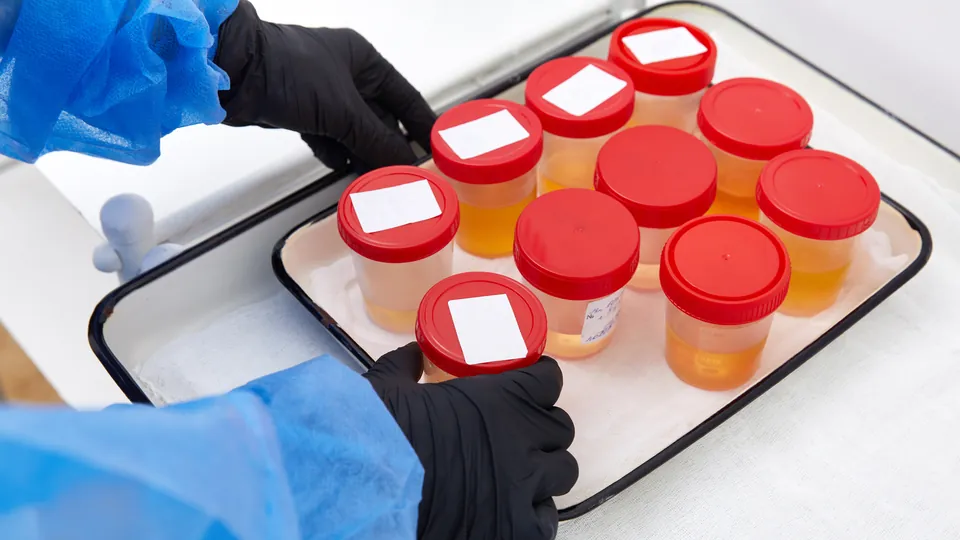
The MRO directs the original laboratory to send the retained split specimen to a second HHS-certified laboratory. You do not arrange this by taking a new sample to a local clinic. The test checks the retained material from the original collection, not what a different specimen might show days later.
What if the 72 hours have already passed?
Contact the MRO promptly rather than assuming the option has ended. DOT allows the MRO to consider documented circumstances that unavoidably prevented a timely request, such as serious injury, illness, lack of actual notice or inability to contact the MRO. An extension is not automatic; explain the circumstances and provide the relevant information.
Split-specimen testing is not available for every testing issue. The rule does not provide it for an invalid result, and it is not a way to challenge a conduct-based refusal such as leaving a collection site. Ask the MRO which procedure applies to your finding.
Payment cannot hold up a required split test
49 CFR 40.173 requires the employer to make sure a timely split-specimen test takes place after a valid request. The employer cannot make that depend on your advance payment or agreement to reimburse. A company policy or agreement may address eventual reimbursement; the testing requirement comes first.
Ask separately about who arranges the test and who may ultimately pay. That keeps a billing conversation from being mistaken for the request itself.
You must still stay out of safety-sensitive work
Requesting the split test does not pause the removal requirement after a verified positive or qualifying refusal. The employer must not wait for the second laboratory’s result before removing you from safety-sensitive duties. The MRO explains the result and any further action once it is available.
Illustrative example: a driver receives the MRO call on Monday and immediately asks about the split specimen. Buying a fresh negative test on Tuesday is not the same request and does not clear the Monday finding. Keeping the original notice and contacting the MRO are the relevant steps.
If the violation remains in place, read about SAP evaluation and the return-to-duty process. No SAP provider can promise that a split test will overturn a result.
Get support with your next SAP step
Speak with an independent SAP provider about evaluation appointments, fees and the return-to-duty process.