
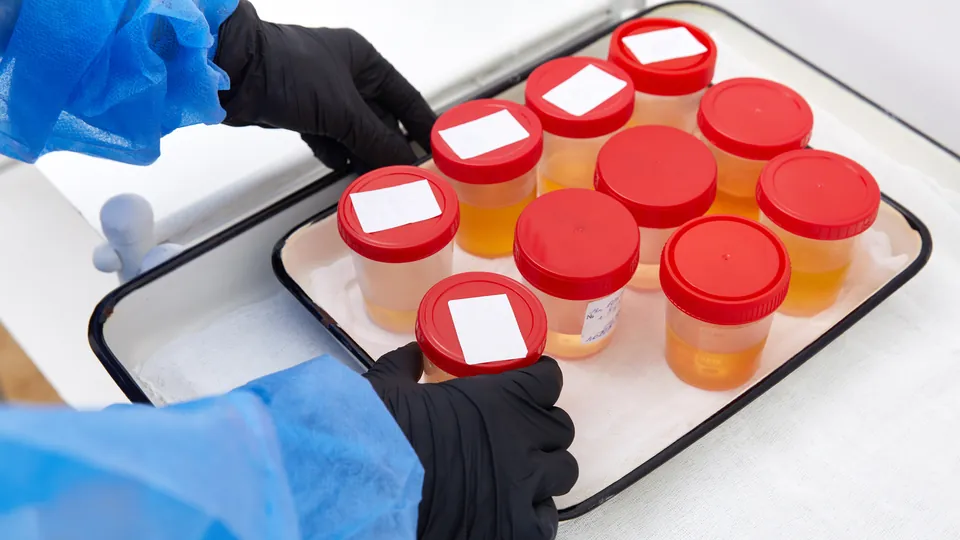
A pre-employment positive is still a DOT violation
Under 49 CFR §40.285, a verified positive DOT drug test is a DOT drug and alcohol regulation violation. You cannot perform DOT safety-sensitive duties for any employer until you complete the required SAP evaluation, referral and education or treatment process. The rule is published by the U.S. Department of Transportation.
This is different from failing a company-only or other non-DOT drug test. If you are unsure which type of test you took, establish that first. The broader consequences of a confirmed DOT positive are covered in what happens after a failed DOT drug test.
The company does not have to hire you
Completing the DOT return-to-duty process does not force the employer that tested you to offer you a job. Part 40 governs when a person may return to DOT safety-sensitive functions, while hiring remains a separate employment decision.
For an applicant or new employee who violates a DOT rule, §40.287 requires the employer to provide a list of readily available SAPs acceptable to the employer. The employer is not federally required to provide or pay for the SAP evaluation or subsequent treatment under §40.289.
For CDL drivers, the violation can affect Clearinghouse status
For drivers subject to FMCSA's Drug and Alcohol Clearinghouse, employers use pre-employment Clearinghouse queries to determine whether a prospective driver is prohibited from safety-sensitive work. An unresolved violation can therefore follow the driver to a different motor carrier. FMCSA explains these requirements in its Clearinghouse FAQs.
The usual next step is to work with a qualified SAP. For Clearinghouse cases, the driver also designates the SAP so required return-to-duty information can be reported. See Clearinghouse SAP designation.
What if you do not have an employer?
FMCSA now provides a specific option for CDL drivers who have no current or prospective Part 382 employer when they reach the return-to-duty testing stage. Its current FAQ says the driver may register in the Clearinghouse as an owner-operator for the limited purpose of designating a consortium/third-party administrator, or C/TPA, which can direct the RTD test and report a negative result.
That does not mean a driver can simply order any test personally and make it a valid DOT RTD test. It also does not remove future follow-up testing obligations, which must be administered when the driver resumes safety-sensitive employment. See return to duty without an employer for that specific situation.