
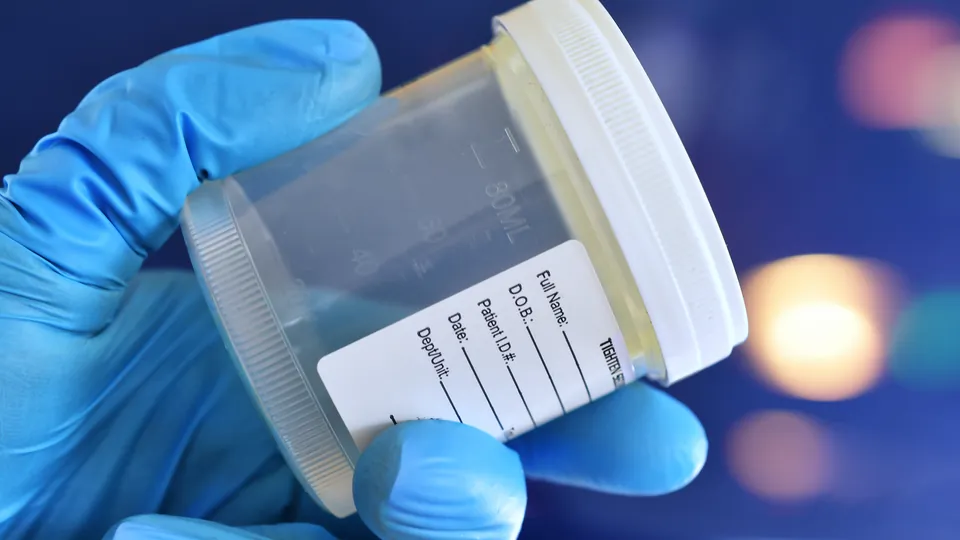
When the return-to-duty test can happen
The RTD test cannot come first. Under 49 CFR 40.305, it occurs only after the SAP has determined that the individual successfully complied with the prescribed education and/or treatment.
That distinction matters when arranging testing. Taking a drug test before the SAP has completed the required follow-up evaluation does not bypass the SAP process or convert that test into a valid DOT return-to-duty test.
Who arranges a valid DOT RTD test
For an employee returning to DOT safety-sensitive functions, the employer is responsible for ensuring the required RTD test occurs. A driver therefore should not assume that purchasing an individual DOT-style drug screen from a collection site will satisfy the return-to-duty requirement.
FMCSA provides a specific alternative for a CDL driver who has no current or prospective employer subject to Part 382. The driver may register in the Clearinghouse as an owner-operator and designate a consortium/third-party administrator for the limited purpose of completing the RTD process. The designated C/TPA can direct the RTD test and report the negative result. FMCSA explains this procedure in its Clearinghouse C/TPA FAQs. See return to duty without an employer before arranging testing on your own.
Return-to-duty drug testing is directly observed
A DOT RTD drug test is subject to direct observation. 49 CFR 40.67 requires an employer to direct a collection under direct observation when the reason for the drug test is return-to-duty or follow-up.
The collection site must follow the applicable DOT procedures. This is another reason an ordinary workplace screen or consumer-ordered test should not be assumed to satisfy an RTD requirement.
What a negative RTD result actually changes
A negative RTD drug test satisfies the drug-test result requirement that must be met before an employer can permit the employee to resume safety-sensitive duties. It does not compel an employer to offer a job or reinstate someone. DOT expressly leaves that personnel decision to the employer, subject to other applicable requirements.
For FMCSA-regulated drivers, correctly reported completion of the RTD testing stage can change a Clearinghouse status from prohibited to not prohibited. That does not mean the violation disappears, and it does not complete the SAP's follow-up testing plan. Follow-up testing begins after return to safety-sensitive work. See Clearinghouse return-to-duty status and follow-up drug testing.